






The "Muscle Hypertrophy" Longevity Scam: Why You Don't Need to Look Like a Bodybuilder to Live to 90
The "Muscle Hypertrophy" Longevity Scam: Why You Don't Need to Look Like a Bodybuilder to Live to 90
If you spend five minutes on health social media, fitness influencers and longevity "gurus" will try to convince you of one thing:
"If you aren't lifting heavy weights four days a week, drinking 200 grams of synthetic whey protein, and building massive muscle mass, you are shortening your lifespan."
It sounds dramatic. It sells gym memberships, overpriced protein tubs, and endless supplement subscriptions. It’s also complete bullshit.
We all know nonagenarians—grandparents and relatives who lived to 90 or 100 years old, sharp as a tack, who never touched a barbell, drank a protein shake, or tracked a macro in their entire lives. How did they outlive the modern fitness obsessives?
Let's look at the actual epidemiological science, critique the flawed muscle-loss studies, and talk about what your body actually requires to live a long, vibrant life.
1. Muscle Size vs. Muscle Strength: What the Data Actually Says
When researchers analyze massive datasets on human longevity, they separate muscle into two distinct categories: Quantity (how big your muscles are) and Quality/Function (how strong and responsive they are).
The findings are undeniable: large observational studies show a J-shaped curve for muscle mass. Having severely low muscle mass is dangerous, but having moderate, functional muscle mass provides 100% of the longevity benefits. Building massive, hyper-trophied bodybuilder muscle offers zero extra lifespan benefit—and puts unnecessary strain on your cardiovascular system.
What does correlate with a longer life? Basic functional strength and leg power. Not how much you bench press, but whether your legs can stand up from a chair effortlessly, carry your own groceries, and keep you from falling.
2. Critiquing the "Alarmist" Muscle Loss Studies
You’ve probably read the terrifying stat: "Humans lose 3% to 8% of their muscle mass every decade after age 30!"
Here is what they don't tell you: those studies are based on completely sedentary populations eating ultra-processed garbage. If you walk daily, stay active, and feed your body intact whole produce and real food, your age-related muscle loss is dramatically slower than the headlines claim.
Furthermore, many studies link low muscle mass directly to early mortality while ignoring reverse causality. People suffering from chronic, undiagnosed underlying conditions experience systemic tissue wasting. They didn't pass away because they had smaller muscles; their muscles shrank because they were sick.
3. The Real Role of Muscle: Blood Sugar Sink
So why do functional muscles matter as you age? It isn't for vanity or gym clout. It’s for metabolic health.
Skeletal muscle acts as your body's primary "sponge" for blood sugar, absorbing up to 80% of post-meal glucose. Having active, healthy muscle tissue prevents dramatic insulin spikes, lowers the risk of Type 2 diabetes, and keeps metabolic inflammation low.
When you pair functional daily movement with real, intact plant fiber—which slows glucose absorption in the gut—you give your body the ultimate metabolic shield.
Real Health Is Simple. Stop Overcomplicating It.
Your 90-year-old relatives lived long because they moved naturally, ate real food, avoided processed lab chemicals, and maintained functional strength through everyday life.
You don't need a $200/month gym membership or buckets of synthetic protein isolate. You need daily movement, real food, and intact cellular nutrition.
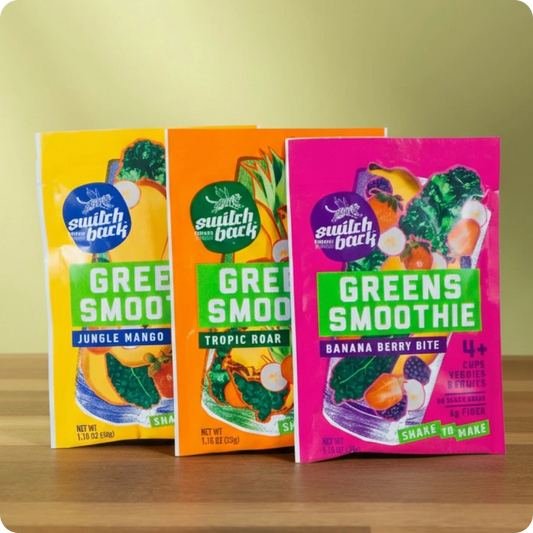
Switchback delivers 100% real, freeze-dried whole fruits and dark greens packed with 4 to 6 grams of intact plant fiber per pouch. No lab additives, no synthetic fillers, and no corporate fluff.
👉 Grab the Original Variety Pack ($51) — Fuel your functional life with real produce in 10 seconds!